
How CPG CEOs Are Reshaping Talent Strategy in Todays Volatile Economy
For much of the past decade, growth covered a multitude of sins in consumer-packaged goods.
Rising demand masked inefficient networks. Cheap capital forgave bloated cost structures. Pricing power arrived often enough to paper over operational cracks. Leadership teams were built to scale, sometimes before they were built to endure.
That environment changed quickly.
Over the last two years, inflation proved stubborn. Interest rates reset leverage models. Consumers became more price sensitive. Retailers sharpened their pencils. Exit timelines stretched. Boards became less patient with execution risk.
These pressures now define how CPG CEOs are rewriting talent strategy in a volatile economy, forcing a sharper view of leadership.
CEOs are being hired for resilience as much as ambition. CFOs are no longer the “close-the-books” executive; they are the nerve center of capital strategy. COOs have become margin defenders. Commercial leaders are being asked to protect price while still finding growth.
In short: today’s leadership teams are built less like rocket ships and more like all-terrain vehicles.
Capital Discipline Is Driving the CEO Spec
Higher borrowing costs and more conservative lenders forced sponsors to re-evaluate the kind of chief executives they back.
The new archetype still needs growth instincts, but paired with fluency in cost management, working-capital optimization, and scenario planning.
We’re seeing boards prioritize CEOs who:
- Have navigated prior down cycles
- Understand covenant math as well as brand building
- Can slow expansion without killing momentum
- Are comfortable telling investors “not yet”
Not surprisingly, first-time CEOs with pure expansion resumes are being vetted more carefully, while multi-cycle operators are commanding premium attention.
If the previous era rewarded boldness, the current one rewards judgment.
The CFO Became a Strategic Weapon
If one role’s influence expanded fastest, it was the CFO.
As capital markets tightened and hold periods lengthened, finance chiefs became central to underwriting, portfolio reviews, and value-creation planning.
Modern CPG CFO mandates increasingly include:
- Refinancing strategy and lender negotiations
- Working-capital release
- Cash-flow forecasting under stress scenarios
- Capex prioritization
- Pre-exit readiness
In many sponsor conversations, the CFO is now discussed before the CRO — a reversal that would have sounded heretical in high-growth cycles.
One operating partner recently joked that the CFO had become “the most powerful person in the building besides the retailer.”
He wasn’t entirely kidding.
Operations Leaders Moved Into the Spotlight
Volatile input costs and service-level pressure elevated operations from functional necessity to strategic differentiator.
COOs and heads of supply chain are now being asked to:
- Redesign manufacturing footprints
- Dual-source critical materials
- Renegotiate freight and procurement contracts
- Improve yields and throughput
- Reduce complexity in bloated SKU portfolios
Plant-level leadership is being upgraded earlier in the hold, and network optimization experience is at a premium.
Where operations once followed strategy, they now frequently define it.
Commercial Chiefs Are Being Re-Scoped
Slower demand growth and retailer pushback changed the CRO job description almost overnight.
Volume without margin no longer impresses anyone.
Boards increasingly expect revenue leaders who can:
- Deploy pricing analytics
- Optimize trade spend
- Manage mix
- Rationalize low-profit SKUs
- Navigate retailer negotiations with discipline
Revenue-management functions have expanded, and category strategy has moved into boardroom conversations.
In many cases, sponsors are pairing traditional sales leaders with analytics-driven deputies, a polite way of saying that gut instinct alone is no longer enough.
Digital Leaders Face a New Test: ROI
Technology remains central to CPG strategy, but ambition has been replaced with accountability.
ERP stabilization, demand planning, automation, and data visibility dominate board agendas, while moonshot initiatives face tougher scrutiny.
CIOs and CTOs are being hired for:
- Execution credibility
- Integration experience
- Budget discipline
- Operational partnership
Digital transformation has become less about vision decks and more about getting systems live without disrupting the P&L, which, as anyone who has lived through an ERP rollout knows, is a heroic aspiration.
Succession Planning Is No Longer Optional
Founder transitions and aging leadership benches forced boards to confront succession earlier than expected.
In a volatile economy, “we’ll deal with that later” stopped being an acceptable answer.
PE sponsors are:
- Installing institutional CEOs sooner
- Upgrading finance and HR leadership quickly post-close
- Conducting bench-strength audits
- Building interim options before they’re needed
Succession planning has shifted from contingency to a value-protection tool — particularly in assets operating with thin margin buffers.
What This Means for Boards and Sponsors
The cumulative effect of these changes is significant.
Across middle-market CPG, leadership teams are now:
- Installed earlier in the investment cycle
- Narrowly mandated around execution
- Bench-deep by design
- Pressure-tested for exit readiness
- Evaluated continuously, not episodically
This doesn’t mean growth is off the table.
It means growth now has to be earned through operational excellence, disciplined capital deployment, and leadership teams that can function when conditions are messy, which, increasingly, is most of the time.
If the prior era rewarded charisma and expansion narratives, today’s market rewards the executives who can make difficult trade-offs, protect cash, and still find a way forward.
In volatile economies, boring done well is often the most impressive outcome of all.
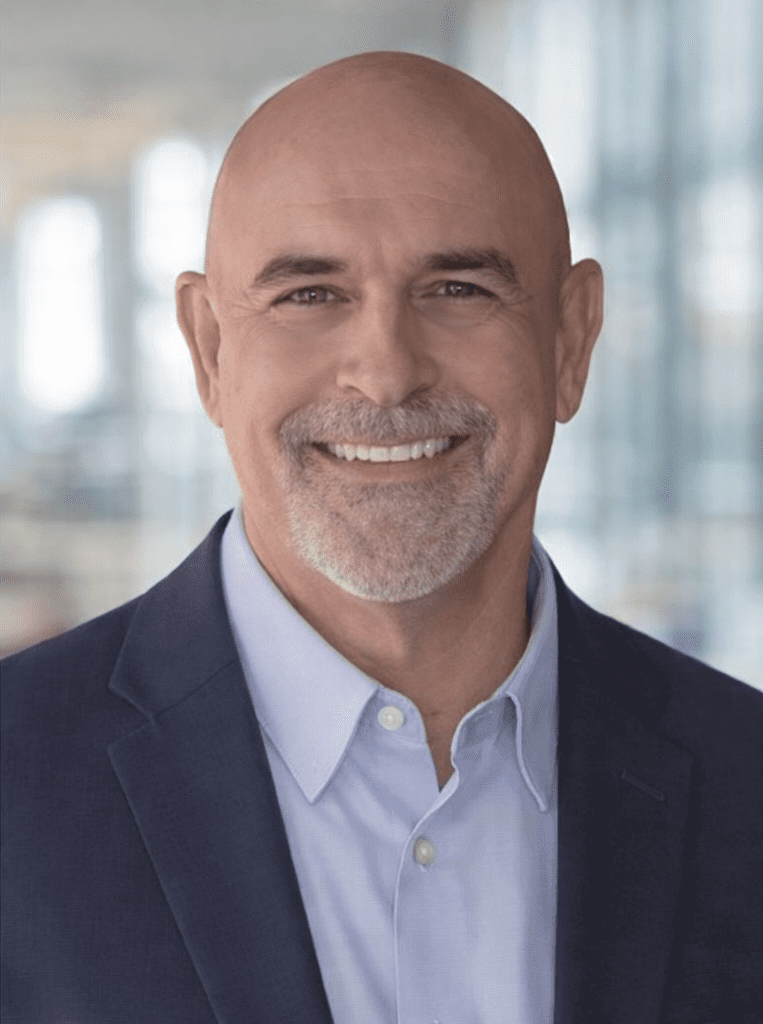
About the AuthorWith nearly 40 years of front-line CPG experience—spanning 25 years at Kraft Foods/Oscar Mayer to founding his own nutrition brand—Kenny understands the mechanics of growth better than most recruiters. As the Founder of Creston Executive Search, he specializes in placing V-level and C-suite talent within middle-market, PE-backed, and founder-led companies. Having managed portfolios exceeding $500MM and received national awards for shopper insights, Kenny bridges the gap between deep industry technicality and high-stakes executive leadership. Click here to connect with Kenny on LinkedIn.
