
Why Your Next COO Needs to Build Networks, Not Just Chains
The traditional “Supply Chain” is a 20th-century concept. It implies a linear, rigid progression from raw material to end consumer. But in 2026, volatility is the only constant. Whether it’s geopolitical shifts or sudden algorithmic spikes in demand, the “linear” model is too slow to react.
To thrive, middle-market CPG companies must transition to “Sense-and-Respond” Networks. This shift requires a new breed of COO—one who views the supply chain not as a series of links, but as a living, breathing ecosystem powered by Supply Chain AI.
The Death of the Linear Model
In a linear world, a disruption at point A causes a failure at point D. In a network model, AI allows the system to reroute, re-source, and re-price in real-time. According to Gartner, 50% of supply chain organizations are now investing in AI and advanced analytics specifically to drive this type of autonomous agility.
This isn’t just about efficiency; it’s about survival. Deloitte highlights that companies with high supply chain “transparency and agility” are twice as likely to maintain growth during market volatility compared to their traditional counterparts.
What a “Sense-and-Respond” COO Looks Like
When we recruit for V-level and C-suite operations roles today, we look for leaders who prioritize three “Network” capabilities:
- Multi-Tier Visibility: They don’t just know their suppliers; they know their suppliers’ suppliers. They use AI to “sense” disruptions before they hit the P&L.
- Dynamic Fulfillment: They move away from fixed warehouse strategies to “omni-node” networks that can fulfill orders from wherever inventory sits—minimizing markdowns.
- Predictive Sourcing: They leverage AI to hedge against commodity price swings, as we explored in our post on Building Resilient Supply Chains, ensuring that operational leadership drives immediate value creation.
The PE Perspective: Valuation through Connectivity
For Private Equity firms, a “sense-and-respond” network is a massive value-add at exit. A company that has automated its operational resilience is seen as a lower-risk, higher-margin asset. The COO who can build this network isn’t just a “logistics person”—they are a Value Creation Architect.
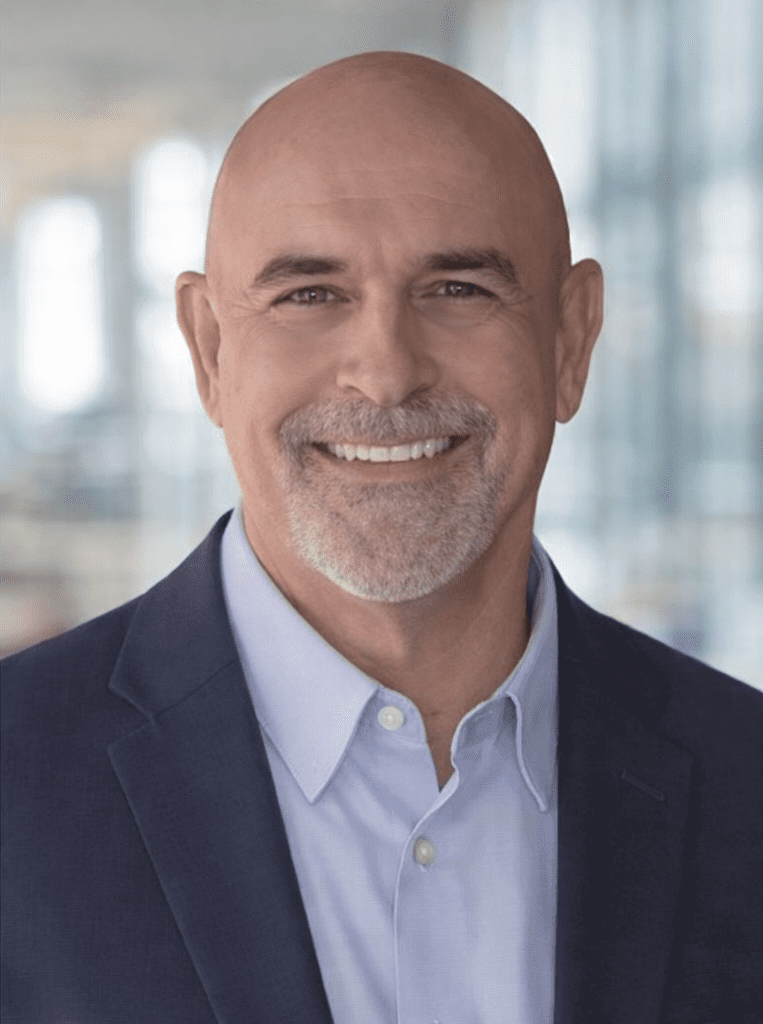
About the AuthorWith nearly 40 years of front-line CPG experience—spanning 25 years at Kraft Foods/Oscar Mayer to founding his own nutrition brand—Kenny understands the mechanics of growth better than most recruiters. As the Founder of Creston Executive Search, he specializes in placing V-level and C-suite talent within middle-market, PE-backed, and founder-led companies. Having managed portfolios exceeding $500MM and received national awards for shopper insights, Kenny bridges the gap between deep industry technicality and high-stakes executive leadership. Click here to connect with Kenny on LinkedIn.
