
Supply Chain 4.0: From Linear to Networked
Remember the good old days when a supply chain was just a straight line? Step A went to Step B, Step B went to Step C, and if a disruption happened, you just yelled at a supplier until things started moving again. It was simple, predictable, and remarkably linear.
If you try running that same exact playbook in the 2026 middle-market CPG space, your business is going to feel like a game of Jenga played during an earthquake.
The traditional, rigid “Supply Chain” is officially dead. Private Equity firms and founder-led brands aren’t looking for traditional warehouse managers anymore. They are looking for Ecosystem Architects who possess a deep “Sense-and-Respond” mindset.
According to the Gartner Future of Supply Chain Insights Hub, legacy, siloed visibility is rapidly being replaced by real-time end-to-end orchestration. PE boards don’t want a Chief Operating Officer who merely tracks where inventory sits; they want a leader who builds an interconnected network capable of re-routing itself before a bottleneck even hits the balance sheet.
The Myth of the Steady-State Supply Chain
Let’s face it: the macro environment has zero respect for your spreadsheet schedules. Between fluctuating raw material tariffs, localized weather anomalies, and erratic retail buyer patterns, waiting for a monthly status report to make an adjustment is a financial death sentence.
When a company relies on a rigid, linear chain, a single delay at a single port causes an immediate domino effect. Inventory stalls, retail fines mount, and margins evaporate.
This is precisely why modern value creation strategies have evolved. As we discussed in our previous deep-dive on CPG Leadership 2026: Why Digital Fluency Outpaces Experience, a leader’s worth is no longer measured by how many years they’ve spent doing things the old way. It’s measured by their ability to inject data directly into operations to eliminate friction.
A modern “Sense-and-Respond” COO doesn’t treat logistics like a game of telephone. They utilize data-driven networks where suppliers, manufacturers, and logistics partners share a single, real-time pulse. A comprehensive Deloitte Supply Chain Industry Analysis highlights that companies migrating toward synchronized digital studio networks experience vastly superior agility and margin protection. If your operational data still lives in isolated emails and legacy desktop tools, you aren’t building a moat—you’re managing a liability.
The 3 Rules of the Sense-and-Respond COO
If you are stepping into a high-stakes COO interview or preparing for an upcoming portfolio company board meeting, you need to prove you can move a brand from defensive scrambling to offensive maneuvering.
Here are three tactics to reshape your operations:
1. Kill the Siloed Forecasts
If your sales team is looking at one set of demand numbers while your operations team is building inventory based on another, you are actively burning cash. Force a unified data layer. Your raw material intake should automatically adjust based on real-time point-of-sale (POS) data from your top retail accounts, not an optimistic guess made at the beginning of the quarter.
2. Diversify with “Plug-and-Play” Nodes
Relying on a single manufacturing partner or a single distribution hub because “you’ve known the owner for ten years” is no longer a viable risk strategy. Build a modular ecosystem. You need pre-vetted, secondary operational nodes that can scale up within 48 hours if your primary facility encounters a disruption.
3. Transition from “Cost Management” to “Network Velocity”
Traditional COOs obsess exclusively over squeezing fractions of a cent out of unit logistics costs, often ignoring the broader risk profile. The modern playbook focuses heavily on network velocity. How fast can your system sense a demand spike in a specific geographic region and fulfill it before a competitor claims that shelf space? Speed is the ultimate margin protector.
Are You a Chain or an Ecosystem?
Take a hard look at your current operational structure. If you are still managing a linear series of hand-offs, you are exposing your private equity sponsors to massive, unnecessary risk.
Pivot your positioning. Show the board that you don’t just manage logistics—you engineer autonomous, resilient networks that protect valuation regardless of what the macro environment throws your way.
Are you an operations executive ready to align your leadership style with the tech-first demands of modern PE funds? Contact us today to evaluate your profile against the active briefs we are executing for H2.
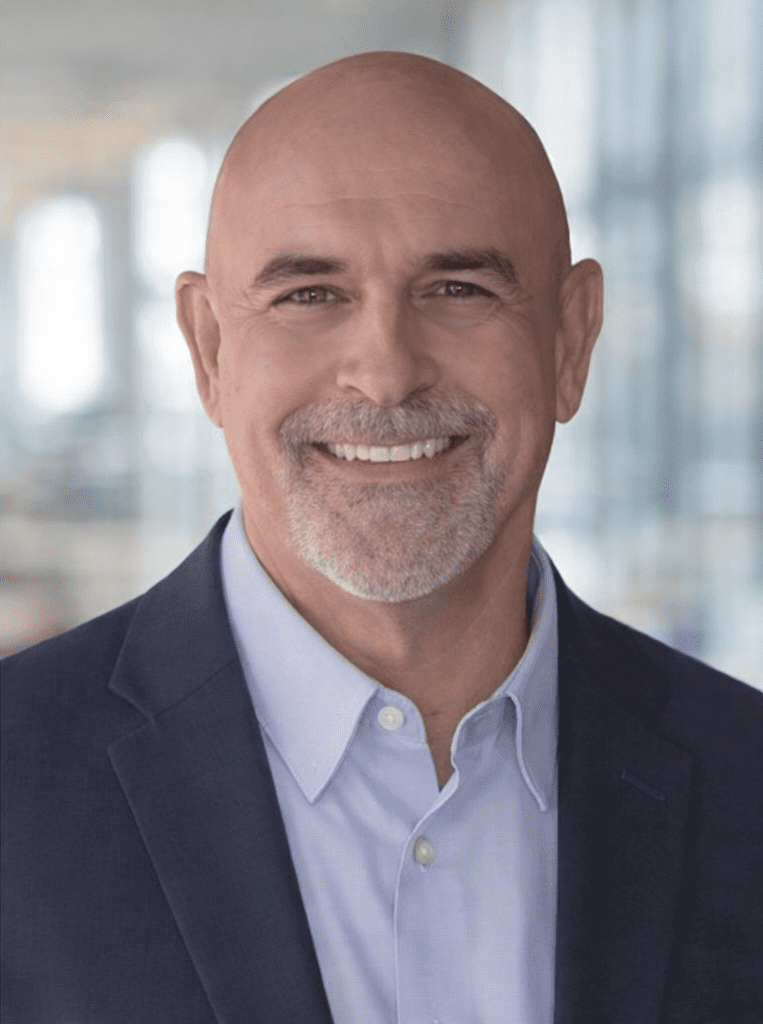
About the AuthorWith nearly 40 years of front-line CPG experience—spanning 25 years at Kraft Foods/Oscar Mayer to founding his own nutrition brand—Kenny understands the mechanics of growth better than most recruiters. As the Founder of Creston Executive Search, he specializes in placing V-level and C-suite talent within middle-market, PE-backed, and founder-led companies. Having managed portfolios exceeding $500MM and received national awards for shopper insights, Kenny bridges the gap between deep industry technicality and high-stakes executive leadership. Click here to connect with Kenny on LinkedIn.
