
Sustainability Compliance Is Now a CPG Growth Strategy
For years, sustainability in consumer packaged goods felt like the corporate equivalent of eating kale because someone in marketing said it was trendy.
Now? It’s a boardroom issue.
Between California’s SB 343, expanding Extended Producer Responsibility (EPR) laws, retailer packaging mandates, and investor pressure, sustainability compliance has officially moved from the “nice-to-have” column into the “keep-the-business-operating” category.
And here’s the bigger shift many middle-market brands are still underestimating:
The companies winning in 2026 are not treating sustainability as a compliance expense. They’re treating it as a competitive moat.
That distinction matters.
Because while some food & beverage companies are scrambling to redesign packaging and renegotiate supplier agreements, others are quietly using regulatory readiness to win shelf space, strengthen EBITDA narratives, reduce operational risk, and position themselves for stronger exits.
Private equity firms see it too. Increasingly, sponsors are evaluating whether a portfolio company’s packaging, sourcing, and operational infrastructure can survive future regulations without destroying margins or disrupting distribution.
In other words: the sustainability conversation is no longer about optics.
It’s about resilience.
Why Are PE Firms Suddenly Focused on Sustainability Compliance?
A few years ago, many investors viewed ESG initiatives as soft metrics buried somewhere near the end of a pitch deck.
Today, the conversation sounds very different.
Sponsors, operating partners, and lenders are increasingly evaluating:
- Packaging compliance risk
- Supply chain resilience
- Exposure to future legislation
- Retailer sustainability requirements
- Capital expenditure needs tied to packaging transitions
- Long-term operational flexibility
Why?
Because “stranded assets” are becoming a real concern.
A product line built around non-compliant packaging may eventually require expensive redesigns, SKU rationalization, or retailer removal. That can materially impact valuation, profitability, and exit timing.
For middle-market food and beverage companies, this creates a new operational reality:
Compliance readiness is now part of enterprise value creation.
What Is SB 343 and Why Does It Matter?
California’s SB 343 law tightened rules around recyclability claims and packaging labeling standards.
In plain English?
Brands can no longer slap recyclable messaging onto packaging unless the material actually meets strict recycling criteria within California’s waste infrastructure.
That sounds simple enough… until you realize how many brands rely on packaging formats that may not qualify.
The ripple effects extend far beyond California because:
- National brands rarely create state-specific packaging
- Retailers often adopt the strictest standard systemwide
- Other states are watching closely and building similar frameworks
For many operators, SB 343 became a wake-up call that future packaging regulations are coming faster than expected.
Why Are EPR Laws Changing CPG Operations?
Extended Producer Responsibility (EPR) laws shift packaging waste costs back onto producers.
Historically, municipalities absorbed much of the recycling burden.
Now, brands are increasingly expected to help fund recycling infrastructure, waste recovery systems, and packaging management programs.
That changes the math dramatically for food & beverage operators.
Suddenly, packaging decisions affect:
- Gross margins
- Transportation costs
- Vendor negotiations
- Material sourcing strategies
- Long-term operational planning
- Retail compliance readiness
This is why sustainability leaders are no longer operating in isolated departments.
The COO, CFO, procurement teams, operations leaders, and supply chain executives are now deeply involved.
And yes, the spreadsheets are getting larger.
How Are Winning CPG Brands Turning Compliance Into an Advantage?
The strongest operators are not waiting for mandates to hit before making changes.
They’re moving early.
That early movement creates advantages competitors often miss until it’s too late.
1. They’re redesigning supply chains before disruption hits
Forward-looking companies are evaluating packaging suppliers, transportation efficiencies, recycled material access, and manufacturing flexibility now instead of reacting later.
That matters because once regulations tighten, supply bottlenecks tend to follow.
The companies that establish supplier relationships early often secure better economics and more reliable access.
Everyone else ends up playing packaging musical chairs.
2. They’re building “first-to-shelf” advantages
Retailers increasingly favor suppliers that reduce compliance headaches.
Brands that proactively meet sustainability standards can often move products faster through retailer approval processes while competitors remain stuck in redesign cycles.
That creates meaningful advantages in:
- Speed-to-market
- Retail expansion
- New product launches
- Strategic category placement
In crowded categories, operational readiness can quietly become a shelf-space weapon.
3. They’re strengthening the investor story
Private equity firms love predictable outcomes.
A business that demonstrates operational resilience, regulatory preparedness, and long-term supply chain stability often looks materially less risky during diligence.
That doesn’t just help valuation conversations.
It can improve confidence around:
- Growth assumptions
- Margin sustainability
- Exit timing
- Strategic buyer interest
- Debt financing support
A credible sustainability strategy increasingly functions as a de-risking narrative.
That’s a major shift from where the market stood even three years ago.
What Questions Should CPG Leaders Be Asking Right Now?
Many executive teams are still focused on immediate operational pressures:
- Inflationary inputs
- Retail pricing pressure
- Labor challenges
- Freight volatility
- Consumer softness
Fair enough.
But sustainability compliance is quickly becoming one of those issues that feels “far away” right until it suddenly isn’t.
The better question is not:
“Can we delay this?”
It’s:
“Will waiting make this dramatically more expensive later?”
Here are a few practical questions leadership teams should already be evaluating:
Packaging & Materials
- Which SKUs face the highest compliance risk?
- Are current materials likely to face future restrictions?
- How exposed are we to single-source packaging vendors?
Operations & Supply Chain
- Can our manufacturing lines adapt quickly to new formats?
- Do we have supplier diversification in place?
- Are transportation costs being considered in redesign decisions?
Finance & Investor Readiness
- What future compliance costs should be modeled today?
- How does our sustainability roadmap affect valuation?
- Can leadership articulate sustainability as a resilience strategy?
Commercial Strategy
- Are retailers signaling future packaging expectations?
- Could sustainability readiness improve retailer relationships?
- Are competitors already moving faster than we are?
These are no longer theoretical conversations.
They’re operational strategy discussions.
Why Sustainability Leadership Is Becoming a Talent Battleground
One of the more interesting shifts happening in food & beverage right now is the growing demand for leaders who can bridge sustainability with operational execution.
Not just sustainability storytelling.
Execution.
Companies increasingly want leaders who understand:
- Packaging innovation
- Regulatory navigation
- Supply chain optimization
- Margin management
- Procurement strategy
- Cross-functional operations
That talent pool is still relatively small.
And because of that, experienced operators who can connect sustainability initiatives to EBITDA performance are becoming highly valuable in both corporate and private equity-backed environments.
In many cases, companies are no longer hiring “sustainability people.”
They’re hiring operational leaders who understand sustainability economics.
That distinction matters.
Is Sustainability Really a Cost Center?
It can be.
If handled reactively.
When companies wait until mandates are imminent, they often face:
- Expedited redesign costs
- Limited supplier options
- Margin compression
- Operational disruption
- Inventory write-down risk
- Retail pressure
That’s the expensive version.
But proactive companies are treating sustainability planning as part of broader supply chain resilience and operational modernization.
Those investments can produce benefits beyond compliance:
- Better sourcing flexibility
- Improved retailer relationships
- Stronger investor narratives
- Operational efficiencies
- Reduced future disruption risk
The smartest operators are reframing the conversation entirely.
Not:
“How much will compliance cost us?”
But:
“How much future risk can preparation remove?”
What Does the Next 24 Months Look Like for CPG Companies?
The pace of regulatory change is unlikely to slow down.
More states are evaluating packaging legislation.
Retailers continue tightening supplier expectations.
Consumers increasingly notice packaging transparency.
And investors are asking more operational diligence questions tied to sustainability readiness.
For middle-market brands, the next two years will likely separate companies into two groups:
Companies that planned early
These businesses will likely move faster, maintain stronger retailer alignment, and present cleaner operational stories to investors.
Companies that delayed
These operators may face compressed timelines, higher implementation costs, and increased operational complexity.
That gap could widen quickly.
Especially in highly competitive food and beverage categories where margins are already under pressure.
Final Thoughts: Compliance Is Becoming Competitive Strategy
The biggest misconception in the market right now is that sustainability compliance is simply a regulatory burden.
In reality, it’s increasingly becoming an operational differentiator.
The brands building durable advantages are not necessarily the ones with the loudest sustainability messaging.
They’re the companies quietly strengthening supply chains, reducing future risk, improving retailer alignment, and preparing for where regulations are heading next.
That’s not just good compliance management.
That’s smart business strategy.
Frequently Asked Questions
What is SB 343?
SB 343 is a California law that restricts when packaging can be labeled as recyclable based on actual recycling infrastructure and material recovery capabilities.
What are EPR laws?
Extended Producer Responsibility (EPR) laws require producers to help fund or manage packaging waste and recycling systems.
Why do private equity firms care about sustainability compliance?
PE firms increasingly view sustainability readiness as a risk management and valuation issue tied to operational resilience and future exit potential.
How can sustainability create a competitive advantage?
Brands that move early can improve retailer relationships, reduce future disruption, strengthen supply chains, and position themselves ahead of slower competitors.
Why is sustainability now a COO and CFO issue?
Packaging regulations and supply chain changes directly impact margins, operations, procurement, and long-term financial planning.
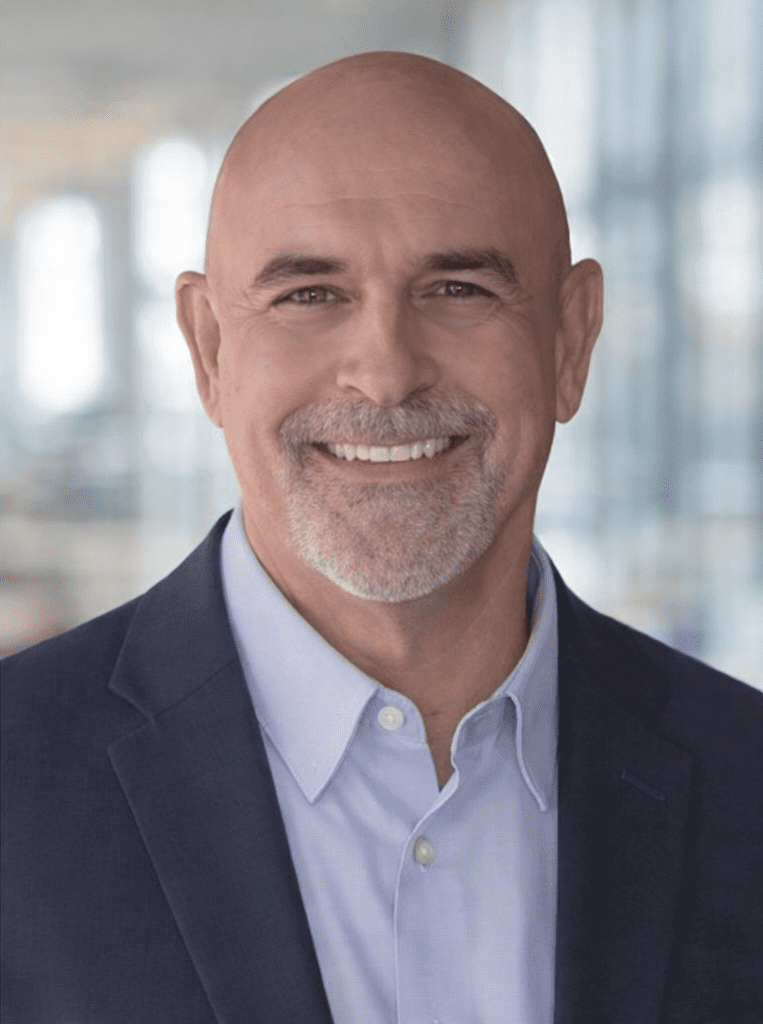
About the AuthorWith nearly 40 years of front-line CPG experience—spanning 25 years at Kraft Foods/Oscar Mayer to founding his own nutrition brand—Kenny understands the mechanics of growth better than most recruiters. As the Founder of Creston Executive Search, he specializes in placing V-level and C-suite talent within middle-market, PE-backed, and founder-led companies. Having managed portfolios exceeding $500MM and received national awards for shopper insights, Kenny bridges the gap between deep industry technicality and high-stakes executive leadership. Click here to connect with Kenny on LinkedIn.
