
The PE-Grade CPG CFO: Built for Exit Value
The modern private equity-backed Consumer Goods CFO is no longer a scorekeeper — they are the architect of EBITDA expansion, cash optimization, and exit multiple acceleration.
That’s the short answer.
If your CFO is only closing the books and managing audits, you don’t have a PE-grade finance leader. You have an accounting department.
Today’s portfolio CFO sits at the center of value creation: working capital turns, margin expansion, debt strategy, pricing architecture, AI-enabled forecasting, SKU rationalization, and exit readiness. In a compressed holding period environment, that difference is everything.
So what actually defines a PE-ready, middle-market Consumer Goods CFO in 2026?
Let’s unpack it.
When Did the CFO Stop Being “Just Finance”?
Private equity firms didn’t suddenly wake up and change expectations.
The environment changed.
Higher cost of capital. More disciplined lenders. Slower top-line growth. Retail volatility. Promotional pressure. Supply chain normalization without margin normalization.
And the data backs it up.
According to Cherry Bekaert’s 2025 Middle Market CFO Survey, middle-market finance leaders report significantly increased board scrutiny around liquidity, forecasting accuracy, and capital allocation discipline. CFOs are now expected to move faster, deliver clearer scenario modeling, and provide forward-looking insight — not just historical reporting.
Operating partners now ask a different question:
“Can this CFO protect and expand value under pressure?”
The finance leader must interpret real-time gross margin trends, model elasticity, assess SKU contribution, and communicate scenario planning to the board — often monthly.
This isn’t reactive accounting.
It’s forward-looking value engineering.
What Makes a CFO “PE-Grade” in Consumer Goods?
A PE-grade CFO in Consumer Goods understands three realities:
- EBITDA is a strategy, not an outcome.
- Cash flow matters more than revenue headlines.
- Exit begins on Day One.
Let’s break down what that looks like operationally.
Are They Fluent in Margin Architecture?
Gross margin in Consumer Goods is no longer just COGS vs. revenue.
It’s:
- Trade spend effectiveness
- Channel mix discipline
- Freight normalization
- Co-manufacturing leverage
- SKU rationalization
- Promotional ROI
A modern CFO partners with commercial leadership to understand:
- Which SKUs dilute contribution margin
- Which retail partners compress cash conversion
- Which innovation pipelines actually expand mix
If finance isn’t influencing pricing and mix strategy, value is leaking.
Can They Convert Revenue into Cash?
Revenue growth without working capital discipline is noise.
Inventory optimization.
DSO compression.
Supplier terms negotiation.
Capex prioritization.
Operating partners increasingly scrutinize cash conversion cycle metrics in board decks — not just P&L snapshots.
In middle-market Consumer Goods businesses, a 5-10 day improvement in working capital turns can materially shift valuation.
A PE-grade CFO understands leverage covenants, liquidity headroom, and refinancing timing — before they become problems.
Are They Building Exit Readiness from Day One?
Here’s the uncomfortable truth:
Many CFOs “prepare for exit” 18 months before sale.
PE firms expect it immediately.
That means:
- Clean data rooms
- GAAP alignment
- Consistent KPI dashboards
- Documented internal controls
- Sell-side readiness mindset
Buyers don’t just underwrite EBITDA.
They underwrite confidence.
A CFO who institutionalizes reporting discipline early increases buyer trust — and reduces quality-of-earnings friction.
Do They Think Like an Operating Partner?
The strongest portfolio CFOs behave like internal value creation officers.
They speak fluently about:
- Manufacturing footprint rationalization
- Procurement savings capture
- Automation ROI
- AI forecasting tools
- S&OP alignment
- Scenario modeling
This shift isn’t anecdotal — it’s structural.
In The 2026 CFO Playbook on Value Creation in Private Equity, Accordion highlights how PE-backed CFOs are increasingly accountable for technology modernization, AI-enabled analytics, and cross-functional value creation initiatives — well beyond traditional controllership responsibilities.
In other words, the CFO isn’t just partnering with operations anymore.
They’re co-owning the value creation plan.
They are comfortable pushing commercial leaders when volume chases low-margin growth.
They’re equally comfortable challenging operations when overhead creeps.
This isn’t adversarial leadership.
It’s integrated value governance.
Are They Tech-Enabled, Not Spreadsheet-Dependent?
Middle-market Consumer Goods companies are rapidly modernizing finance stacks.
Cloud ERPs.
BI dashboards.
Predictive analytics.
AI-assisted demand modeling.
But here’s the nuance:
Technology adoption alone doesn’t create value.
Execution does.
Accordion’s 2026 CFO research emphasizes that PE sponsors increasingly expect CFOs to lead finance modernization initiatives that shorten decision cycles and increase forecasting accuracy — especially in sponsor-backed environments where reporting cadence is tighter and capital decisions move faster.
A PE-grade CFO doesn’t just approve technology spend — they leverage it.
Real-time dashboards shorten decision velocity.
Scenario modeling strengthens board confidence.
Automated reporting frees talent to focus on strategy.
If your finance team is manually reconciling Excel tabs every month, you are not operating at PE velocity.
Can They Balance Growth and Discipline?
Private equity loves growth.
Private equity loves discipline more.
In Consumer Goods, that tension shows up in:
- Innovation pipeline pacing
- Marketing spend allocation
- Trade promotion optimization
- Channel expansion decisions
A modern CFO asks:
“Does this growth expand contribution margin or compress it?”
They don’t block growth.
They engineer profitable growth.
Do They Understand Valuation Levers?
Ultimately, everything maps to valuation.
Multiple expansion isn’t magic.
It’s influenced by:
- Predictable cash flow
- Clean financial reporting
- Reduced customer concentration
- Margin consistency
- Institutional governance
A CFO who understands what strategic buyers and secondary sponsors underwrite can influence those variables over a 3-5 year hold period.
This is the difference between incremental EBITDA lift and multiple arbitrage.
Why This Matters for Portfolio Talent Leaders
If you’re a Portfolio Talent Lead or Operating Partner, the hiring brief must evolve.
Instead of asking:
- “Can they run finance?”
Ask:
- “Have they scaled EBITDA under PE ownership?”
- “Have they executed a recapitalization?”
- “Have they prepared a company for sale?”
- “Have they partnered with commercial and operations leaders in margin strategy?”
The skill profile is hybrid.
Part strategist.
Part operator.
Part capital allocator.
All execution.
What About First-Time PE CFOs?
Can a strong public company VP of Finance step into a PE-backed Consumer Goods platform?
Sometimes.
But only if they understand:
- Board cadence intensity
- Data transparency expectations
- Debt covenant literacy
- Pace of decision making
- Accountability structure
PE boards move faster.
Assumptions are tested harder.
Tolerance for surprises is lower.
The learning curve is steep.
The Real Question
Is your CFO preparing financial statements…
Or preparing the company for sale?
That distinction defines valuation outcomes.
In today’s Consumer Goods landscape, finance leadership is not a back-office function.
It is the lever that determines:
- How efficiently capital is deployed
- How confidently lenders engage
- How cleanly buyers underwrite
- How meaningfully sponsors exit
The modern PE-grade CFO doesn’t just report value.
They build it.
Conclusion
The broader market confirms this evolution.
Middle-market CFOs themselves report expanding influence over capital strategy, liquidity management, and enterprise planning. Meanwhile, PE sponsors now expect finance leaders to actively shape margin expansion, technology enablement, and exit readiness.
Translation:
The role has officially changed.
The hiring brief should too.
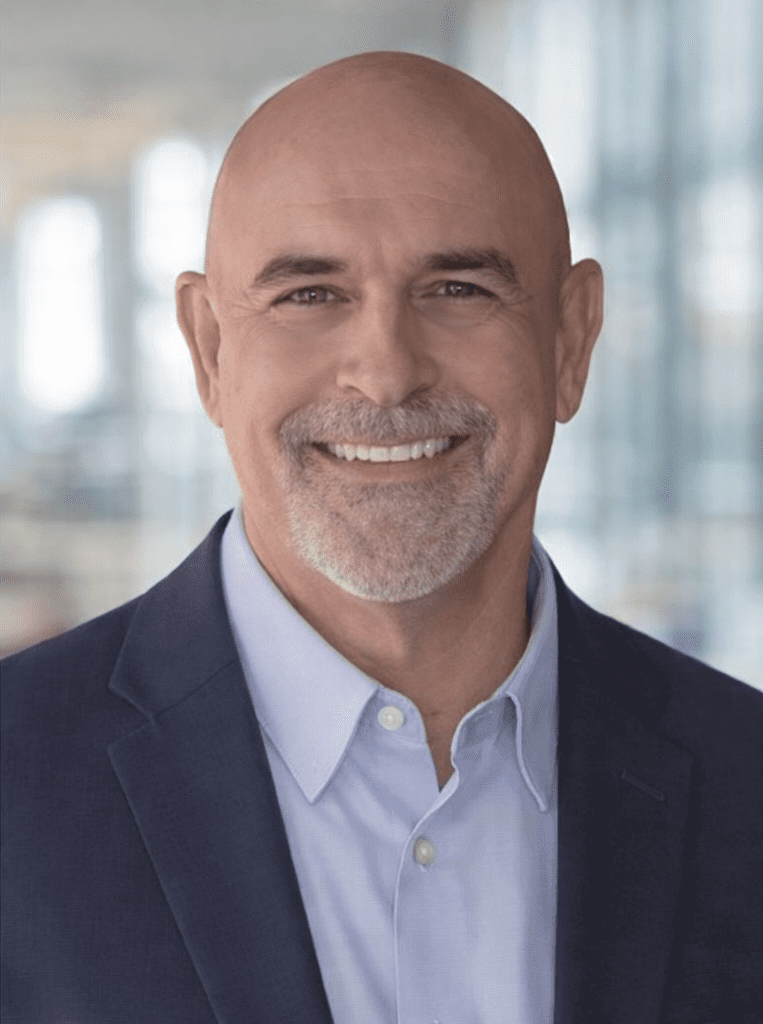
About the AuthorWith nearly 40 years of front-line CPG experience—spanning 25 years at Kraft Foods/Oscar Mayer to founding his own nutrition brand—Kenny understands the mechanics of growth better than most recruiters. As the Founder of Creston Executive Search, he specializes in placing V-level and C-suite talent within middle-market, PE-backed, and founder-led companies. Having managed portfolios exceeding $500MM and received national awards for shopper insights, Kenny bridges the gap between deep industry technicality and high-stakes executive leadership. Click here to connect with Kenny on LinkedIn.
