
The First 90 Days: Accelerating Post-Acquisition Leadership in Middle-Market CPG
The ink is dry, the deal has closed, and the clock is officially ticking. For private equity operating partners, the first 90 days post-acquisition represent the most critical window of the entire investment lifecycle. This is the period where early momentum is either captured or permanently lost.
Too often, investment theses stall not because of bad strategy, but because legacy leadership cannot keep pace with institutional mandates.
To prevent deal-thesis drag, operating teams must quickly audit, align, and upgrade their executive infrastructure.
The Post-Close Reality Check
Pre-acquisition management teams are frequently built for a different era of a company’s life. They may excel at founder-led brand building or localized operations. However, they are often entirely unprepared for the rigid reporting systems, margin pressures, and aggressive growth timelines required by private equity.
Misalignment during this transition quietly erodes deal value. As we analyzed in our framework on post-acquisition integration in middle-market CPG, successful integration is ultimately a leadership alignment exercise. If the executive team cannot translate the initial deal thesis into immediate, coordinated operational plans, execution grinds to a halt.
Step 1: The 30-Day Leadership Audit
Operating partners cannot afford to wait six months to evaluate talent. A rigorous assessment of the existing C-suite must occur within the first four weeks.
When auditing legacy managers, look past historical success and evaluate:
- Data Fluency: Can the current CFO and operational leaders provide granular, real-time margin data, or do they rely on end-of-month guesswork?
- Pace Tolerance: Are these executives comfortable with a weekly operational cadence, or do they struggle under accelerated corporate velocity?
- Process Dependency: Do they require a massive corporate support apparatus, or can they roll up their sleeves in a lean, middle-market environment?
Step 2: Securing Strategic Autonomy
Once the initial audit is complete, your talent strategy must shift toward building structural self-reliance within the management ranks. Micromanagement by operating partners is a losing strategy that kills deal velocity.
To scale your new platform effectively, you must actively seed the organization with self-directed executives. Our deep dive into how to recruit self-starters and build a high-autonomy bench details why middle-market assets require leaders who thrive in ambiguity. Your transition team needs leaders who autonomously deploy functional solutions before a board meeting forces their hand.
Step 3: Making Swift Talent Upgrades
Navigating personnel transitions during an active integration is a delicate balancing act. While talent decisions should be made with absolute fairness, they cannot be made slowly.
Allowing an underperforming or resistant legacy executive to linger sends a damaging signal to the rest of the company. It slows down reporting lines, blurs decision ownership, and delays critical margin improvements. If an executive lacks the capability or alignment required for the new investment thesis, utilize the first 90 days to cleanly transition the role and bring in a proven, PE-backed operator.
The Bottom Line
The first 90 days are not a time for passive observation. They are an opportunity to set the cultural, operational, and financial cadence for the entire investment lifecycle. By prioritizing leadership alignment, assessing executive capabilities early, and building a high-autonomy bench, private equity firms can safeguard their investment thesis and accelerate true value creation.
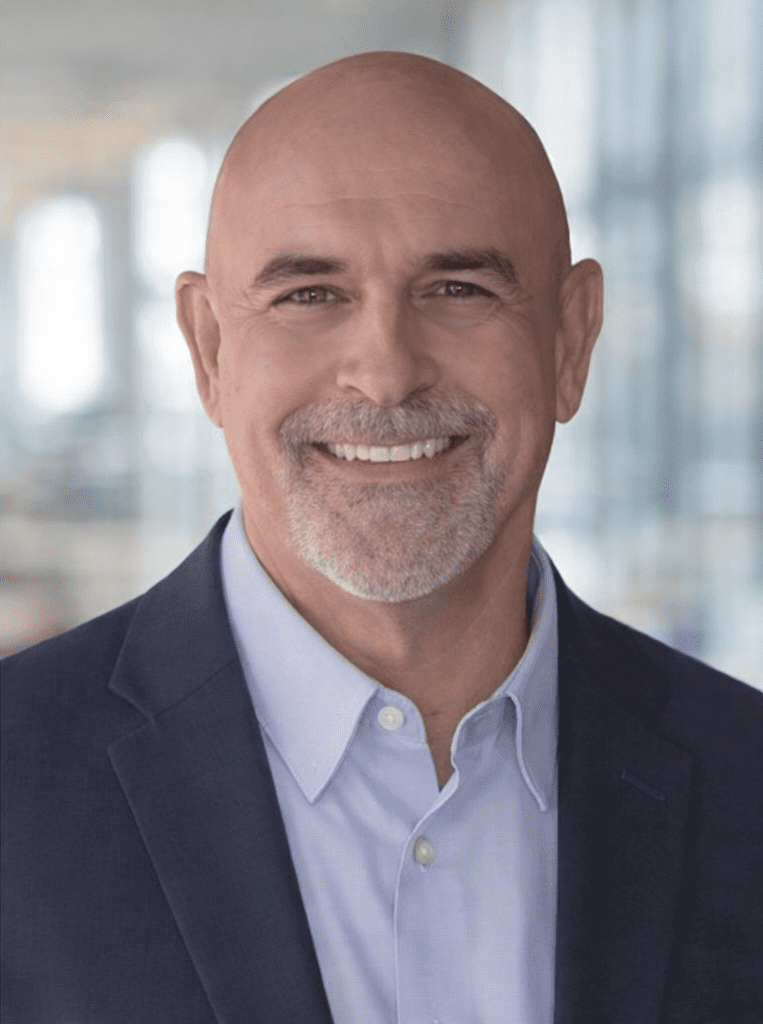
About the AuthorWith nearly 40 years of front-line CPG experience—spanning 25 years at Kraft Foods/Oscar Mayer to founding his own nutrition brand—Kenny understands the mechanics of growth better than most recruiters. As the Founder of Creston Executive Search, he specializes in placing V-level and C-suite talent within middle-market, PE-backed, and founder-led companies. Having managed portfolios exceeding $500MM and received national awards for shopper insights, Kenny bridges the gap between deep industry technicality and high-stakes executive leadership. Click here to connect with Kenny on LinkedIn.
