
What Changed in CPG Growth Strategy—and Why It Matters Now
The short answer: CPG growth is shifting away from internal innovation to acquisition-led scaling, powered by private equity and changing consumer behavior.
For decades, CPG companies built brands internally through R&D, marketing, and sales engines. Today, growth increasingly comes from acquiring emerging brands that already resonate with niche audiences. It’s faster, less risky, and more aligned with how consumers actually behave.
The shift toward acquisition-led growth isn’t just anecdotal—it’s measurable. According to McKinsey & Company, recent trends in CPG M&A activity show that large consumer companies are increasingly turning to portfolio realignment to drive growth, streamline operations, and unlock synergies.
The question is no longer “Can we build it?”—it’s “Should we buy it?”
Why Did Traditional CPG Innovation Models Lose Momentum?
For years, large CPG organizations relied on centralized innovation pipelines. Teams ideated, tested, launched, and scaled—often over multi-year timelines.
But here’s the challenge:
- Consumer preferences fragmented
- Speed-to-market expectations accelerated
- Shelf space became more competitive
By the time a product launched, the market had often moved on—sometimes twice.
What Replaced the Old Growth Playbook?
Today’s model prioritizes external innovation and acquisition-led growth.
Instead of predicting trends, large CPG companies:
- Monitor emerging brands
- Identify traction signals (velocity, loyalty, repeat rates)
- Acquire or invest at scale
It’s essentially outsourcing innovation—then scaling what works.
Think of it as “test in the wild, then double down.”
Why Are Smaller Brands Winning Early Traction?
Smaller brands are built for today’s consumer environment:
- Hyper-focused positioning
- Authentic brand storytelling
- Faster decision-making cycles
- Direct-to-consumer feedback loops
They don’t need mass appeal—they need deep appeal within a niche.
And increasingly, that’s enough to win.
Where Does Private Equity Fit Into This Shift?
At the center of this transformation is private equity, which continues to play multiple roles in fueling brand growth and deal activity:
- Funding early-stage expansion
- Professionalizing operations
- Scaling distribution and infrastructure
- Preparing brands for strategic exit
As highlighted in private equity’s role in scaling consumer brand growth, firms are deploying significant capital into high-performing consumer platforms, accelerating both expansion and consolidation. The result is a more interconnected ecosystem where capital, capability, and timing all converge to scale winners faster.
In many cases, PE firms act as the bridge between entrepreneurial success and enterprise-scale growth.
Why Is This Model More Effective Today?
Because it aligns with how markets actually behave now.
At the core of this shift is the consumer—how consumer behavior is reshaping brand growth strategies highlights just how fragmented and digitally influenced purchasing decisions have become.
Modern consumers:
- Discover brands digitally
- Prioritize authenticity over scale
- Shift preferences quickly
- Expect constant innovation
Acquisition-led growth allows CPG companies to adapt in real time—without betting everything on internal development cycles.
What Role Do Economic Conditions Play?
Macroeconomic pressure has added another layer of complexity:
- Margin compression
- Cost volatility
- Capital efficiency demands
These factors make capital allocation decisions more critical than ever.
Acquiring proven brands often delivers:
- Faster ROI
- Lower innovation risk
- Immediate revenue contribution
In uncertain environments, that’s a compelling equation.
How Are PE Firms Evaluating CPG Opportunities Today?
Private equity firms are increasingly focused on:
- Velocity over vanity metrics
- Margin expansion potential
- Supply chain scalability
- Brand loyalty indicators
- Exit optionality (strategic vs. secondary sale)
The best opportunities sit at the intersection of strong brand identity and operational upside.
What Does This Mean for Operators and Founders?
For operators:
You’re no longer just building brands—you’re building acquisition-ready platforms.
For founders:
Early traction isn’t the finish line—it’s the beginning of a much larger growth journey.
And for both?
Understanding how PE and strategics evaluate value is no longer optional—it’s essential.
What Happens When the Economy Reaccelerates?
Here’s where things get interesting.
When macro conditions improve:
- Capital becomes more accessible
- Valuations expand
- Deal activity accelerates
Which means the current environment may just be the calm before the next surge in CPG M&A and innovation.
The companies positioning themselves now will likely define the next decade.
Conclusion: Is Acquisition-Led Growth the New Normal?
Yes—but with a twist.
The most successful companies won’t choose between building and buying.
They’ll do both—strategically.
The future of CPG belongs to organizations that can:
- Spot trends early
- Scale efficiently
- Integrate effectively
And perhaps most importantly—know when to build… and when to buy.
If you’re navigating growth, integration, or investment decisions in today’s CPG landscape, let’s connect.
I’ve spent my career working at the intersection of operators, private equity, and brand growth, and I’m always open to exchanging ideas with others shaping the future of the industry.
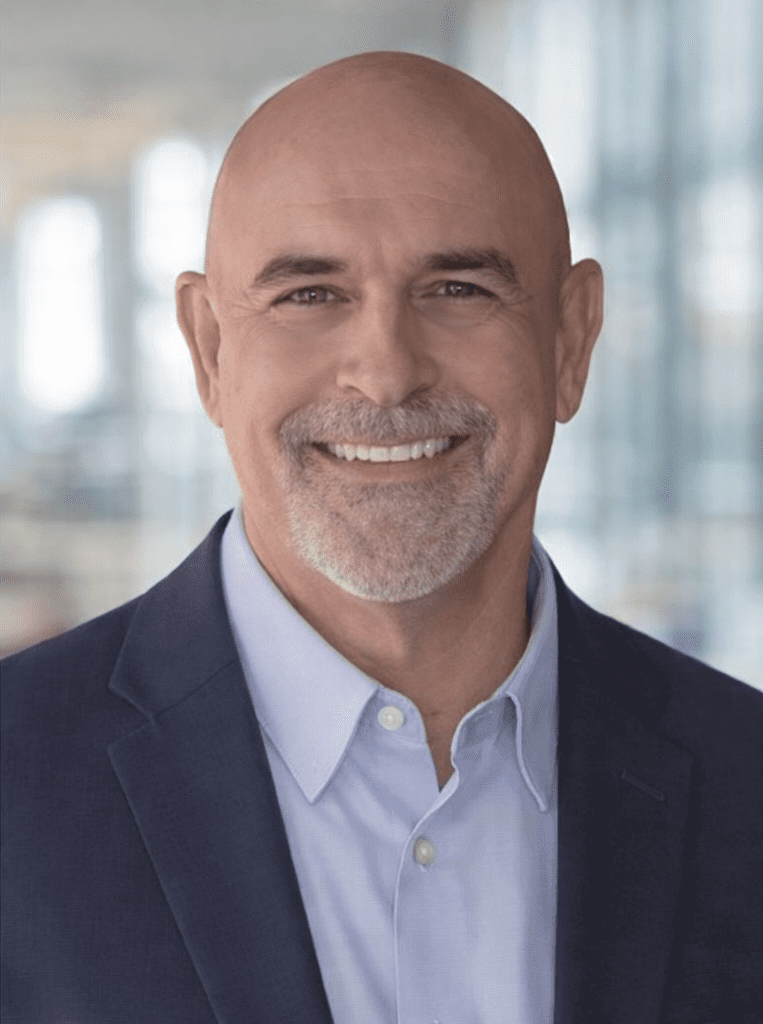
About the AuthorWith nearly 40 years of front-line CPG experience—spanning 25 years at Kraft Foods/Oscar Mayer to founding his own nutrition brand—Kenny understands the mechanics of growth better than most recruiters. As the Founder of Creston Executive Search, he specializes in placing V-level and C-suite talent within middle-market, PE-backed, and founder-led companies. Having managed portfolios exceeding $500MM and received national awards for shopper insights, Kenny bridges the gap between deep industry technicality and high-stakes executive leadership. Click here to connect with Kenny on LinkedIn.
