
3 Reasons Post-Acquisition Integration Succeeds in Middle-Market CPG
There’s a popular narrative around post-acquisition integration in middle-market CPG that often makes the rounds. You know the one, it goes something like this:
“Integration is messy.”
“Cultures clash.”
“Strategies stall.”
Sometimes, that’s spot on.
But after observing a fair share of middle-market CPG companies navigating private equity transitions, I’ve noticed a different trend.
When integration works well, it rarely comes with fireworks and dramatic music.
Nope, more often, it’s simply… disciplined.
What Makes Post-Acquisition Integration Successful in Middle-Market CPG?
In most private equity-backed CPG companies, successful post-acquisition integration comes down to three fundamentals: leadership alignment, decision clarity, and disciplined operational execution. Recent research from McKinsey’s Global Private Markets Report 2026 highlights that operational value creation and leadership quality are increasingly the drivers of private equity returns, particularly as holding periods lengthen and market conditions become more complex.
When executives quickly establish who owns key decisions, which operational priorities drive value, and how progress will be measured, integration tends to move faster, and early momentum builds across the organization.
Executive Takeaways
Post-acquisition integration in middle-market CPG rarely succeeds because of a perfect strategy deck. As highlighted in Bain & Company’s 2026 Global Private Equity Report, the firms generating the strongest returns are increasingly those that translate the investment thesis into clear operational execution plans early in the ownership cycle.
The integrations that gain traction fastest typically share three characteristics:
1. Decision clarity
Everyone knows who owns key decisions and how quickly they need to move.
2. Operational focus
Leadership prioritizes the few operational levers that drive value early.
3. Communication discipline
Boards, executives, and operators stay aligned through consistent reporting and KPIs.
When these elements are in place, integration tends to move faster—and the investment thesis begins translating into measurable progress.
Post-Acquisition Integration in Middle-Market CPG: Key Leadership Lessons
Integration Is Really a Leadership Alignment Exercise
When a private equity firm acquires a CPG business, the investment thesis usually looks clear on paper.
Expand distribution.
Improve margins.
Strengthen operations.
Accelerate growth.
The strategy rarely surprises anyone.
What determines success is whether the leadership team can translate that strategy into coordinated action.
In strong integrations, the executive team quickly aligns around three things:
1. Decision velocity
Not reckless speed—just clarity.
Who decides what.
When decisions need to be made.
And how escalation works when something stalls.
This removes friction that can quietly slow integration during the first year after a deal.
2. Operational priorities
The team understands which levers drive value now versus later.
For many middle-market CPG companies, that might include:
- Gross margin improvement
- Trade spend discipline
- Supply chain efficiency
- Distribution expansion
When leadership teams align early on which priorities matter most, execution becomes far more focused.
3. Communication discipline
Strong integrations also sharpen communication.
Board updates become clearer.
Operational KPIs become more consistent.
Leadership teams develop a rhythm for reviewing performance.
None of this is particularly flashy.
But it’s what turns a plan into measurable progress.
The CEO’s Role Evolves Quickly
In the throes of integration, the CEO often finds themselves shuffling through a deck of responsibilities faster than a magician performing card tricks.
Pre-acquisition leadership may have been focused primarily on growth, brand building, or market expansion.
Post-acquisition leadership becomes something slightly different.
The CEO becomes the chief alignment officer for the organization.
They help ensure the leadership team stays focused on execution priorities while maintaining clarity around decision ownership and operational cadence.
Not an easy task, but someone has to do it!
Cross-Functional Alignment Drives Early Wins
When departments lock arms and work together like a well-rehearsed dance troupe, that’s when the magic happens.
Finance improves reporting cadence.
Operations tighten supply chain visibility.
Commercial teams sharpen pricing or distribution strategies.
Cashing in on those early wins creates a sense of camaraderie and ignites organizational confidence.
Plus, who doesn’t love a good victory lap?
Talent Decisions Are Made Thoughtfully—But Not Slowly
Navigating talent decisions during integration is like walking a tightrope.
The best teams move with clarity and fairness, but they don’t allow uncertainty to linger.
Roles are clarified.
Accountability becomes visible.
The right people are placed in the right seats.
The goal?
Ensure the right people are in the right roles before the stage lights dim.
Integration Success Is Usually Quiet
Now, here’s a little secret: integration success often flies under the radar.
When integration is working well, the organization simply starts moving faster.
Decisions get made.
Priorities stay clear.
Operational improvements begin stacking up.
From the outside, it may look unremarkable.
But trust me, that’s cause for celebration!
The Opportunity in the First Year
Here’s where the first-year post-acquisition shines.
This is the sweet spot for building a foundation that can grow and thrive for the entire investment cycle.
When executives prioritize clarity, ownership, and execution, the integration phase becomes less about managing disruption and more about building a foundation for growth.
Closing Thought
At the end of the day, post-acquisition integration doesn’t thrive because the strategy is sheer genius.
It flourishes because leadership teams align swiftly on how the work will actually get done.
From where I stand, the strongest teams embrace a straightforward philosophy:
Clarity over complexity.
Ownership over ambiguity.
Execution over explanation.
With those guiding principles in play, the integration phase becomes less of a cacophony of confusion and more of an exhilarating journey towards momentum.
People Also Ask
Post-acquisition integration is the process of aligning a newly acquired company’s leadership, operations, and strategy with the private equity firm’s value creation plan. In middle-market CPG companies, this often includes clarifying leadership responsibilities, improving operational processes, strengthening reporting systems, and prioritizing initiatives that drive revenue growth and margin expansion.
Post-acquisition integration is critical because it determines how quickly a private equity investment begins generating value. In consumer-packaged goods companies, early alignment around distribution strategy, pricing, supply chain efficiency, and financial reporting can significantly accelerate operational improvements during the first year of ownership.
While integration timelines vary by company, the most critical phase typically occurs during the first 12 months after acquisition. This period is when leadership alignment, operational improvements, and strategic priorities are established, setting the foundation for value creation throughout the private equity ownership cycle.
Leadership alignment is often the most important factor in successful integration. When executives clearly define decision authority, communicate priorities consistently, and maintain operational focus, organizations are able to execute integration initiatives faster and with less disruption.
Question for operators and investors:
What’s the biggest factor you’ve seen determine whether post-acquisition integration succeeds—or stalls?
I’d be interested to hear what others in the private equity and CPG space have experienced.
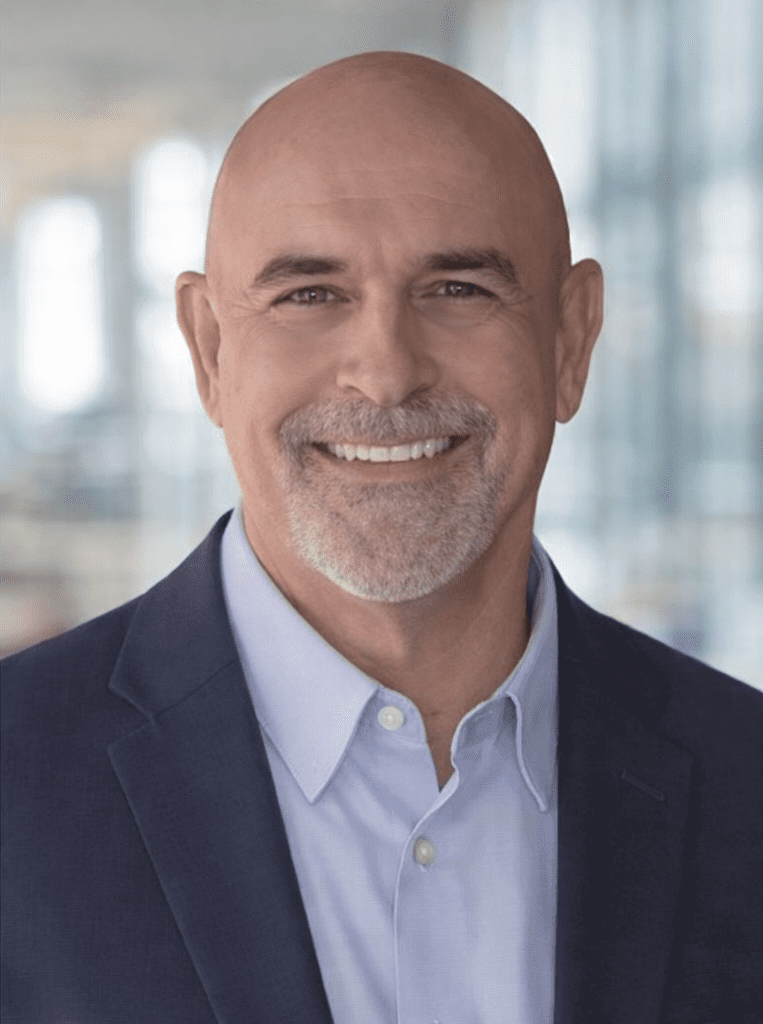
About the AuthorWith nearly 40 years of front-line CPG experience—spanning 25 years at Kraft Foods/Oscar Mayer to founding his own nutrition brand—Kenny understands the mechanics of growth better than most recruiters. As the Founder of Creston Executive Search, he specializes in placing V-level and C-suite talent within middle-market, PE-backed, and founder-led companies. Having managed portfolios exceeding $500MM and received national awards for shopper insights, Kenny bridges the gap between deep industry technicality and high-stakes executive leadership. Click here to connect with Kenny on LinkedIn.
