
How the CPG Landscape Has Evolved Over 35 Years
Introduction: What Changed—and Why It Matters
The CPG landscape looks nothing like it did 35 years ago—and that’s not just nostalgia talking. From analog “brick phones” to AI-powered supply chains, the industry has undergone a fundamental rewiring.
The short answer: The CPG landscape has evolved over 35 years from relationship-driven, manual operations to a digitally enabled, consumer-centric, and private equity-influenced ecosystem built on speed, data, and specialization.
If you’re a private equity operator, middle-market executive, or brand leader, the real question isn’t what changed—it’s what actually matters now.
What Did the CPG Industry Look Like 35 Years Ago?
In the late 1980s, CPG was a high-touch, relationship-first business where execution often meant physically showing up—sometimes at 5 a.m.—to stock shelves alongside store teams.
Inventory was counted manually, orders were placed over the phone, and “real-time data” meant asking someone in the warehouse to walk the floor and call you back.
Retailers were fragmented, dominated by regional grocers and independents, while national scale players were still finding their footing.
How Did Technology Reshape CPG Operations?
Technology didn’t just improve the CPG industry—it fundamentally redefined it.
Cloud-based ERP systems, AI-driven demand planning, and automated inventory management replaced paper logs and gut instinct. Today’s operators rely on predictive analytics, not clipboard audits.
The result? Faster decision-making, tighter supply chains, and significantly less “we’ll figure it out when the truck shows up” strategy.
Why Did Retail Consolidation Change Everything?
Retail consolidation reshaped the balance of power—and not subtly.
Mass merchants, club stores, and national chains scaled aggressively, forcing brands to adapt to fewer, larger buyers with more negotiating leverage and stricter performance expectations.
For middle-market brands, this meant evolving from “nice-to-have regional supplier” to “must-perform national partner”—or risk getting delisted.
How Have Consumer Preferences Shifted?
Consumers today are more informed, selective, and—let’s be honest—a bit more demanding.
The shift from mass-market products to clean-label, functional, and health-conscious offerings has forced brands to rethink formulation, positioning, and transparency—reflecting the broader consumer shift toward health-conscious food and beverage products seen across the industry.
What used to be a niche (“organic,” “low sugar”) is now table stakes. If your label reads like a chemistry experiment, consumers will notice—and move on.
What Role Did eCommerce and Convenience Play?
Convenience has become the silent dealmaker in modern CPG.
The rise of eCommerce, curbside pickup, and last-mile delivery has reduced reliance on traditional in-store traffic while increasing expectations for speed and availability—reinforced by recent trends in grocery eCommerce growth that show just how quickly consumer behavior continues to shift.
Consumers no longer plan shopping trips—they expect products to meet them wherever they are, often within hours.
How Did M&A and Private Equity Redefine Growth?
M&A has shifted from opportunistic deal-making to a structured growth strategy—largely driven by private equity.
The modern playbook emphasizes buy-and-build strategies, platform creation, and operational value creation rather than financial engineering alone.
Middle-market CPG has become a prime target, offering scalable fragmentation, strong brand loyalty, and multiple expansion pathways.
Why Are Boutique Brands Driving Innovation?
Large incumbents no longer rely solely on internal innovation—they acquire it.
Boutique and emerging brands have become the R&D engine of the industry, bringing speed, authenticity, and niche consumer alignment that large organizations often struggle to replicate.
Acquisition pipelines now serve as both growth accelerators and innovation hedges.
What Are the Real Implications for Operators Today?
Today’s operators are expected to balance data fluency, operational rigor, and brand intuition—a combination that didn’t exist 35 years ago.
Execution is no longer just about distribution—it’s about omnichannel strategy, margin optimization, and aligning with evolving consumer expectations in real time.
In short: the margin for error is smaller, and the pace is much faster.
Where Is the CPG Industry Headed Next?
The next decade will likely bring further consolidation, deeper digital integration, and continued pressure on speed-to-market.
AI, personalization, and supply chain resilience will define competitive advantage, while private equity will continue to shape the middle-market landscape.
One thing is certain: standing still is no longer a viable strategy—if it ever was.
Conclusion: What Should Leaders Do Now?
The CPG industry didn’t just evolve—it accelerated.
For private equity firms, operating partners, and CPG executives, success now depends on aligning technology, consumer insight, and execution discipline in a way that drives both growth and resilience.
And if that sounds like a lot—it is. But compared to counting inventory with a clipboard in a warehouse? Progress.
If you’re navigating growth, integration, or leadership gaps within a middle-market CPG business or private equity portfolio company, let’s connect.
I work closely with operators and investors to identify and place leaders who can execute in today’s fast-moving, data-driven environment—without losing sight of what actually drives results.
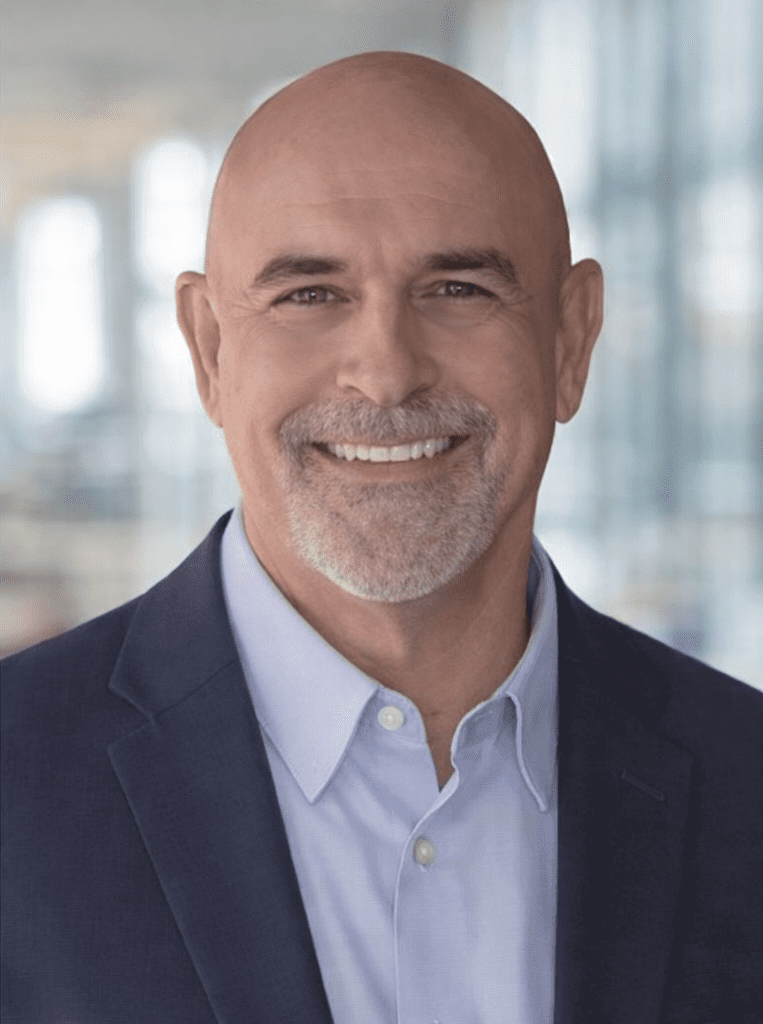
About the AuthorWith nearly 40 years of front-line CPG experience—spanning 25 years at Kraft Foods/Oscar Mayer to founding his own nutrition brand—Kenny understands the mechanics of growth better than most recruiters. As the Founder of Creston Executive Search, he specializes in placing V-level and C-suite talent within middle-market, PE-backed, and founder-led companies. Having managed portfolios exceeding $500MM and received national awards for shopper insights, Kenny bridges the gap between deep industry technicality and high-stakes executive leadership. Click here to connect with Kenny on LinkedIn.
