
How Operating Teams Win the First 180 Days After a PE Deal
The first 180 days after private equity investment are won not by strategy but by leadership execution discipline — clarity of roles, KPI ownership, and decision velocity.
Nothing tests an operating company faster than this early stretch. Everyone feels the pressure: the board wants traction, finance expects clean reporting, commercial needs alignment, and supply chain wants predictable forecasts. Despite a strong value creation plan, most failures in middle-market CPG companies aren’t financial; they’re structural — rooted in leadership architecture, not the model itself.
With today’s deal environment — including 2025 private equity deal volume and growth trends that show sustained middle-market activity — executive teams can’t wait to “see how it goes” for 12 months. Early alignment boosts long-term performance. And every day of ambiguity costs margin, confidence, and optionality.
Why Do the First 180 Days Matter to Operating Leaders?
In private equity–backed companies, the first two board cycles are where execution patterns either start to gel — or show cracks.
You’ll see:
- KPIs without a single accountable owner
- Rolling forecasts that feel aspirational
- Functional squabbles over shared data
- Finance buried in reports instead of driving outcomes
These aren’t dramatic. They’re subtle. And subtle issues erode value faster than obvious ones because obvious issues get fixed first.
That’s why understanding leadership talent as a value driver in PE holdings is foundational. Operating teams aren’t just enacting a strategy; they’re proving they can deliver it.
What Really Changes After a PE Transaction?
From a leadership perspective, three things shift immediately:
- Increased governance expectations — Boards want crisp updates.
- Performance cadence intensifies — Reporting is weekly, not monthly.
- Capital allocation becomes a performance lever — investment decisions are strategic bets.
This is normal — but executives who underestimate this shift watch momentum slip before they realize it.
Does the Leadership Skill Set Really Need to Change?
Often, yes.
Founder-era CEOs excel at instinct, vision, and customer connection. But PE-backed acceleration rewards:
- Capital discipline
- KPI ownership
- Board communication precision
- Structured decision rights
- Succession planning awareness
Even strong leaders sometimes need help adapting. That’s why frameworks like the practical leadership alignment strategies for PE portfolios discussed by leadership advisory firms are so valuable. They help diagnose not just the what but the who and how of execution gaps.
Why Does Decision Velocity Slow Down Post-Close?
Ironically, speed often slows right after a deal.
Reasons include:
- Desire to avoid missteps under new ownership
- Requests for more data before decisions
- Redesigning reporting cadence
- Cultural pushback on performance pressure
You hear phrases like:
“Let’s align on this.”
“We need one more data point.”
“We’re being thoughtful.”
All reasonable — until they delay outcomes.
Decision velocity isn’t about recklessness. It’s about clarity of authority — knowing who decides and when — something that distinguishes high-performing operating companies from the rest.
Where Does Friction Show Up First?
Most leadership friction in the first 180 days stems from these three tension points:
1. Commercial vs. Operations
Sales wants aggressive forecasts.
Supply chain wants certainty.
Inventory becomes a battleground.
2. Finance vs. Functions
Finance isn’t just reporting anymore — it’s expected to drive insight.
But if the team is stuck translating data instead of leading it, the organization loses strategic sight.
3. Deferred Talent Gaps
That “we’ll fix it later” leader? Later is now.
If unresolved, these tensions become friction — and friction becomes structural performance risk.
Replace, Reinforce, or Restructure?
This is the honest inquiry every operating team must answer fast:
- Is this a capability gap?
- A role clarity gap?
- A leadership fit gap?
Not every issue requires leadership change. Sometimes it’s process. Sometimes it’s alignment. But nothing succeeds without honest diagnosis — and fast action.
As one leadership study found in the closing the leadership gap post-acquisition literature, early realignment significantly increases the odds of achieving long-term value levers.
What Does Strong Execution Architecture Look Like by Day 180?
In middle-market CPG companies that get this right, the operating company shows:
- Single-threaded KPI ownership — only one accountable leader per metric
- Board-ready reporting discipline — crisp, consistent, predictable
- Clear decision rights — no ambiguity on who approves what
- Early leadership upgrades where needed
- A quietly built bench for succession and continuity
It’s not flashy. It’s tight. That’s what separates strategy from execution.
How Can Operating Teams Build Credibility with Sponsors?
Sponsors aren’t chasing perfection; they’re chasing predictability.
Operating teams build credibility when they:
- Flag issues early — not after two quarters
- Present solutions, not just problems
- Quantify decisions in EBITDA impact
- Show proactive talent planning
- Demonstrate early performance rhythm
In middle-market companies, this is what wins trust and long-term support.
What Should CEOs Be Asking in the First 90 Days?
Here are the uncomfortable—but valuable—questions:
- Do we have clear KPI ownership across the value chain?
- Is our org chart aligned to the value creation plan?
- Are decision rights explicit or implied?
- Is finance driving insight—or chasing inputs?
- Where are we tolerating friction in the name of stability?
- Would I hire this exact team again today under PE ownership?
If those questions feel sharp, good. That’s the point.
What Happens If You Wait 12 Months to Adjust?
Time compounds—both positively and negatively.
Waiting to see “how it plays out” often costs:
- Two board cycles
- Lost margin expansion momentum
- Executive fatigue
- Confidence erosion with sponsors
The market doesn’t pause for internal alignment. Neither does the board.
Operating Company Advantage: Reality Isn’t Risk
Here’s the part that rarely gets said out loud:
Operating teams are closer to reality than any model:
- They see customer dynamics
- They know forecast variability
- They understand supply constraints
- They feel talent capability day-to-day
The risk isn’t the model. It’s ambiguity.
The first 180 days aren’t about proving the thesis. They’re about proving the team can operate in a performance-governed environment.
Leadership Architecture Is a Strategic Asset
In middle-market CPG companies, value creation isn’t just pricing strategy or channel expansion.
It’s:
- Talent calibration
- Accountability clarity
- Decision speed
- Performance transparency
- Governance readiness
When those are aligned, EBITDA growth feels disciplined—not chaotic.
When they’re misaligned, even strong brands stall.
Frequently Asked Questions
They establish execution rhythm, KPI ownership, and leadership alignment. Early ambiguity in these areas can compound into structural performance risk.
Yes. PE-backed operating companies require capital allocation discipline, clear accountability structures, and strong performance communication.
Execution drift usually stems from unclear decision rights, unresolved talent gaps, reporting overload, and cross-functional friction that goes unaddressed.
Closing Thought
Private equity ownership doesn’t instantly transform your operating company.
It elevates expectations — especially around execution discipline.
The teams that thrive aren’t the loudest.
They’re the clearest, the most accountable, the fastest to learn.
And in PE-backed CPG companies, that clarity is a competitive advantage.
Ready to Benchmark Your First 180 Days?
If you’re an executive navigating a private equity transition — and you want a confidential, objective assessment of your leadership architecture, decision rights, and execution readiness — let’s talk.
No board deck. No scorecard. Just clarity and alignment.
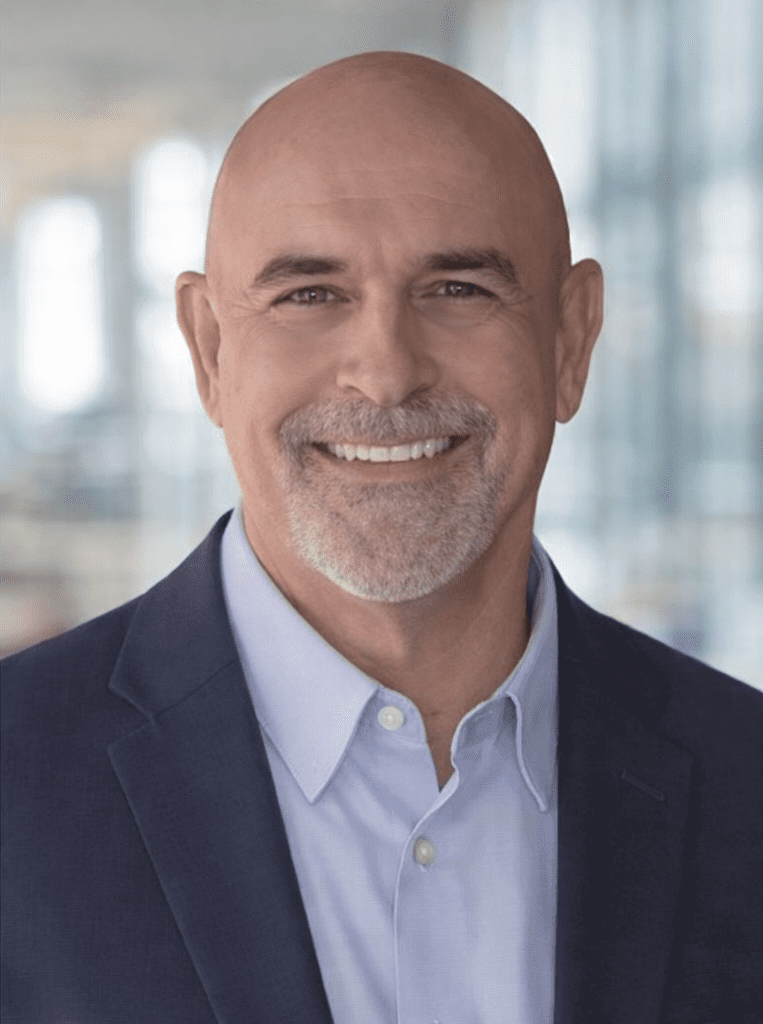
About the AuthorWith nearly 40 years of front-line CPG experience—spanning 25 years at Kraft Foods/Oscar Mayer to founding his own nutrition brand—Kenny understands the mechanics of growth better than most recruiters. As the Founder of Creston Executive Search, he specializes in placing V-level and C-suite talent within middle-market, PE-backed, and founder-led companies. Having managed portfolios exceeding $500MM and received national awards for shopper insights, Kenny bridges the gap between deep industry technicality and high-stakes executive leadership. Click here to connect with Kenny on LinkedIn.
